Can Planes Fly in Snow Safely? Complete Guide

David Clark
Editor
A wide array of ultramodern aircraft is designed to seamlessly fly during hazardous weather conditions, such as snowfall. In fact, planes fly in snow safely due to advanced features, such as the hot wings system, heated sensors, and de-icing fluids, chiefly leading to disruption-free flights.
However, the safety levels of flying in snow may differ for commercial and recreational flights, primarily based on their altitude. In addition, several precautions and safety measures have to be followed at the airport and in-flight when flying in snow.
Therefore, a complete breakdown of how safe it is to fly in snow is presented in this blog.
Can Planes Take Off in Snow?
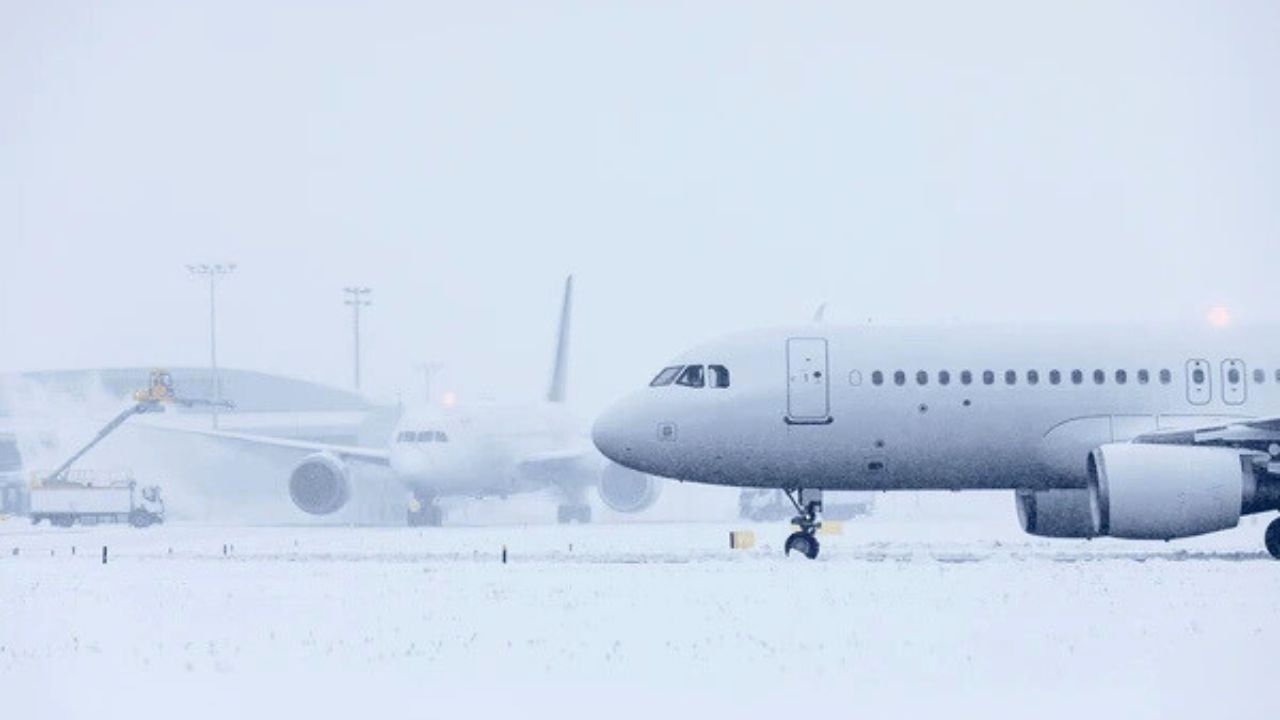
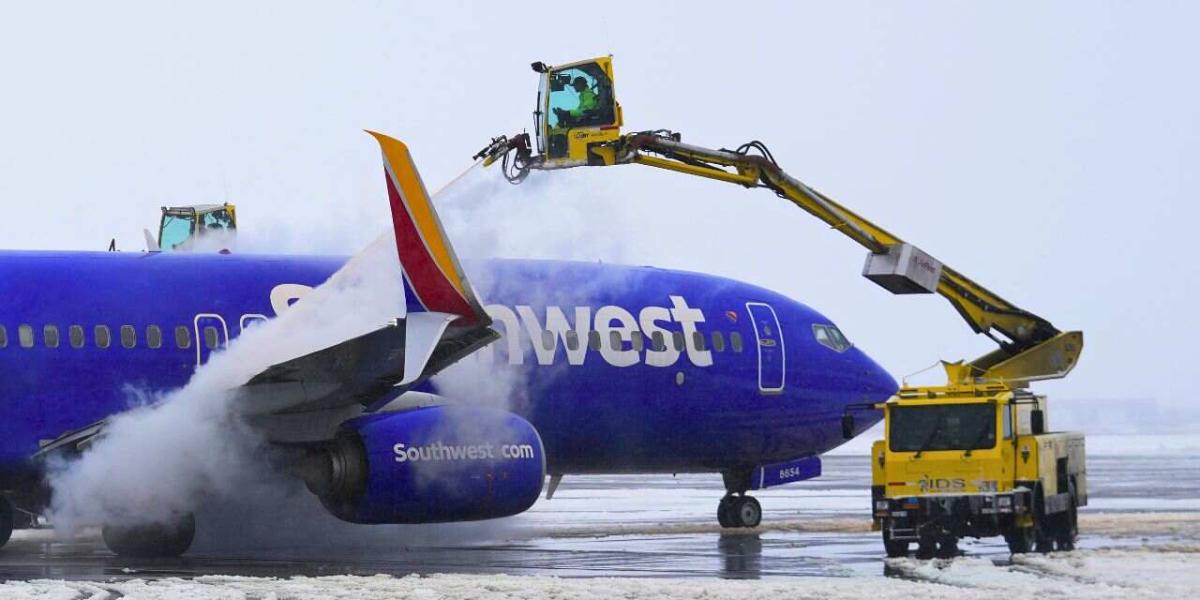
- De-icing: To remove ice contaminants from the aircraft’s wings and fuselage, a fluid called ‘Propylene Glycol’ is sprayed on the planes. Subsequently, eliminating extra weight on the wings protects the parts of the plane from any damage.
- Anti-icing: Ground crews spray anti-icing fluids on the aircraft to prevent further snow accumulation and clogging on the plane’s body.
- Cockpit Instrument: Furthermore, as snowfall is accompanied by low visibility, pilots depend on cutting-edge avionics for better navigation.
- Speed Adjustments: Also, during heavy snowfall, pilots take off at a higher speed. As the aircraft’s wings generate more power and better lift in the denser, cold air.
Can Airplanes Fly During Snowfall?
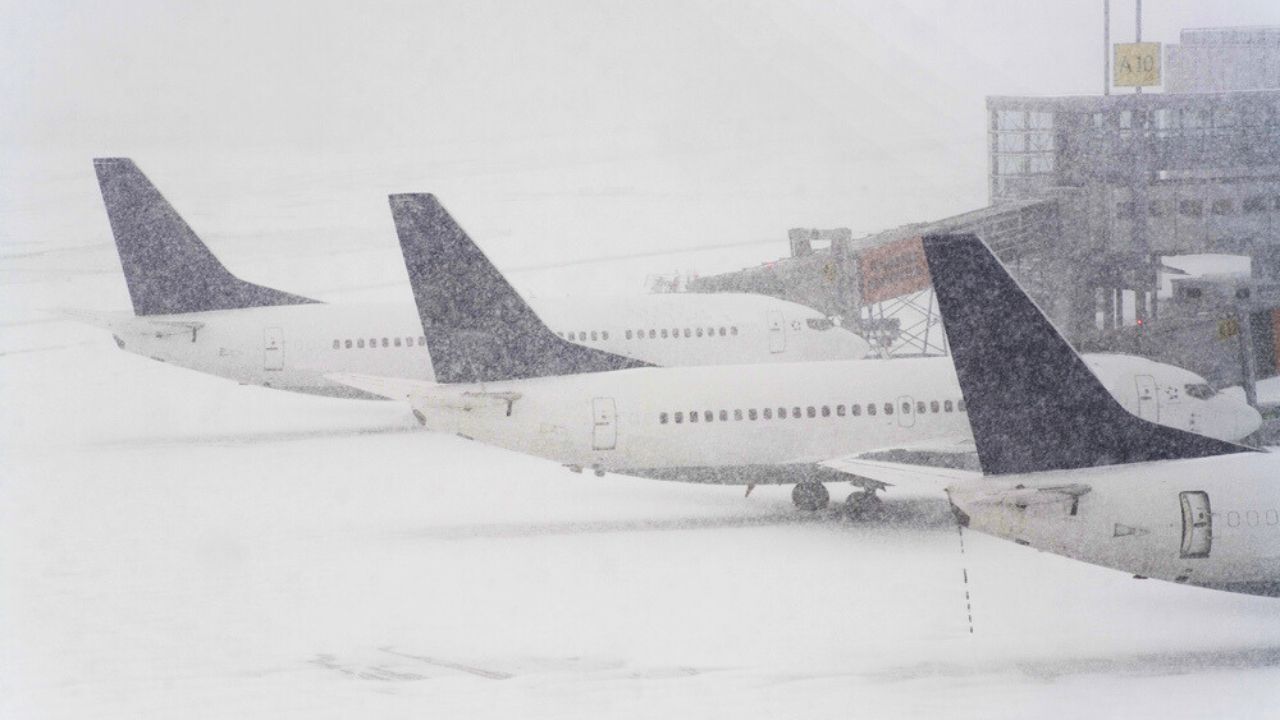
Thus, causing no such direct involvement of the airplane with the snowfall.
Can an Aircraft Land in Snow?
Likewise, an aircraft can conveniently land during the snowfall. In spite of facing low-visibility issues, experienced and proficient pilots manage to land the aeroplanes safely. Here are some technological advancements that support flight landings:- Anti-Skid Braking Systems: Modern aeroplanes have anti-skid brakes that allow the pilots to land the aircraft on slippery surface without causing any runway accidents.
- Ice Protection Systems: Next-generation planes feature thermal heating or chemical ice-breaking systems. These features allow the pilots to clear off the front glass and wipe off the snow for enhanced visibility.
- Advanced Avionics: Additionally, the Instrument Landing Systems are present in the cockpit. Through this, the pilots land carefully on the snow surface even during times of low visibility.
- Close Monitoring: In times of snowfall and hazardous weather conditions, captains and pilots also coordinate with weather experts. This way, they can receive real-time weather updates and land without any hassles.
Flight Delays and Cancellations Due to Snow
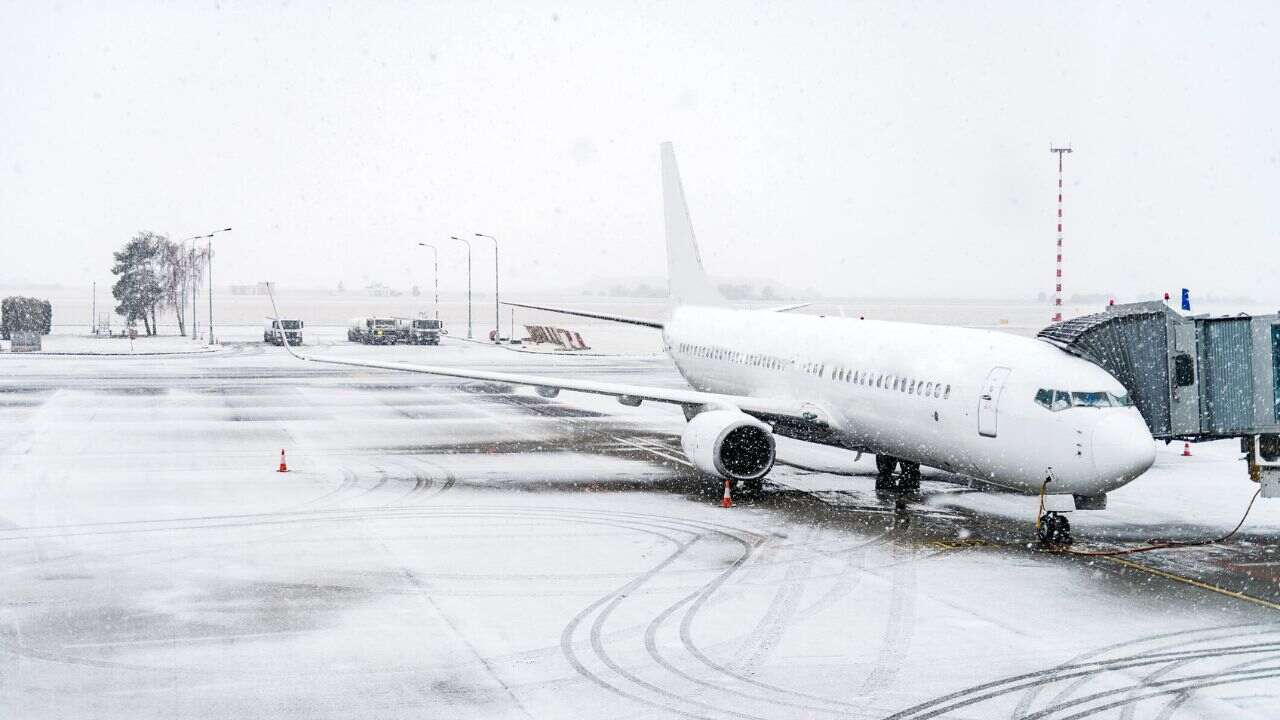
- Lack of Airport Facilities: At times, during heavy snowfall, airports don’t have substantial de-icing or anti-icing equipment. In such a case, the snow keeps on accumulating on the wings. Therefore, leading to flight delays and potential cancellations.
- Lack of Crew Members: Similarly, when there are fewer ground handling staff or snow ploughers available at the airport. Thus, it leads to clogging on the runway, further causing reduced friction and flight cancellations.
- Inches of Snow: The inches of snow also play a vital role in the cancellation of flights. Most airlines cancel flights with 6 to 10 inches of snow.
- Snow Storm Disruptions: Accordingly, during the peak winter time, when snow is accompanied by thunderstorms. In such cases, the snowstorms cause a massive cancellation of flights.
Summing Up…
A variety of next-generation planes have the ability to fly safely in snow. Takeoff, flying, and landing can be executed amidst the snowfall as well. Moreover, all the essential features and safety measures that collectively cause hassle-free flights are explicitly explained above. Although cancellations and delays may occur, travelers should follow their airline’s updates.
Share this article:


