Do Planes Take Off in the Rain?

David Clark
Editor
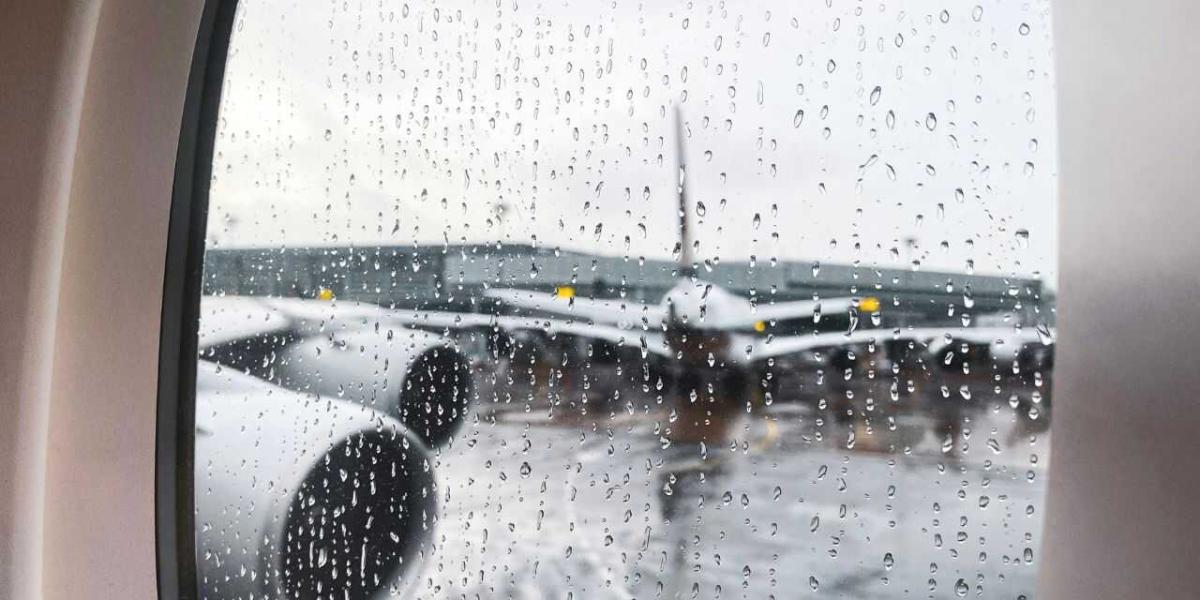
Planes can take off, fly, and land safely in the rain. Modern aircraft are designed to operate safely in wet conditions. Their engines are capable of handling large amounts of water. Hence, rain does not prevent an aircraft from performing any operation.
However, certain weather conditions, along with rain, such as thunderstorms, can create danger while flying. This is because they are associated with high winds, turbulence, and lightning. This is why flights may be delayed when it is raining.
Can Planes Take Off in the Rain?
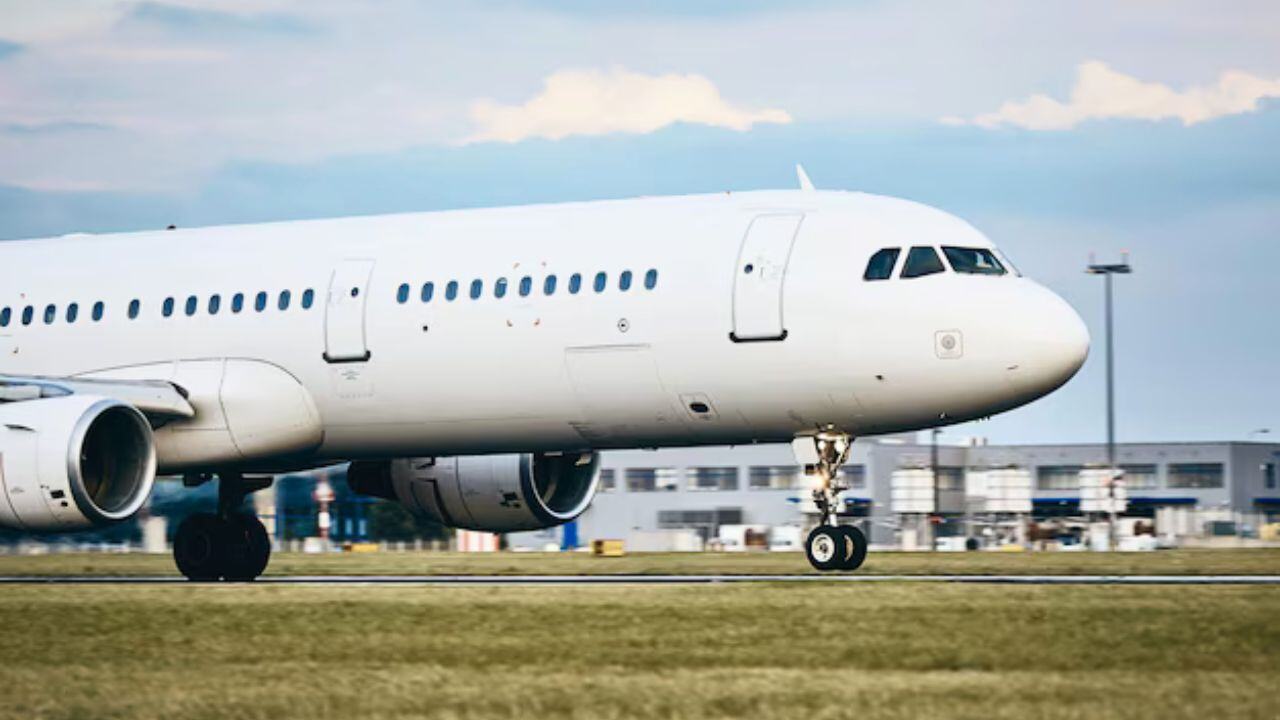
- Also, airport officials analyse the wet runway before the plane takes off.
- Aircraft engines are tested for water ingestion.
- Pilots adjust their takeoff speed when the runway is wet.
- The only time that a takeoff will be delayed is if there is a large amount of standing water.
Do Airplanes Fly in the Rain During Flight?
Yes, planes can fly in the rain during a flight. It is considered safe because the lift of an aircraft depends on the airflow speed over the wings, not dry air. Additionally, rain droplets have a minor effect on its performance. Moreover, they are built with some special systems that allow them to fly safely in the rain. A few of these are mentioned below.
- Windscreen wipers help the pilot see clearly when landing.
- Chemical coatings, such as rain repellent systems, cause rain to run off the plane without sticking.
- The heated air system breaks water droplets and removes them from the aircraft.
- Weather radar shows rain density and helps avoid severe storms.
- Anti-skid brakes prevent wheels from locking on wet runways.
- Autopilot systems help the plane land safely even when visibility is very low.
Does Rain Cancel or Delay Flights?
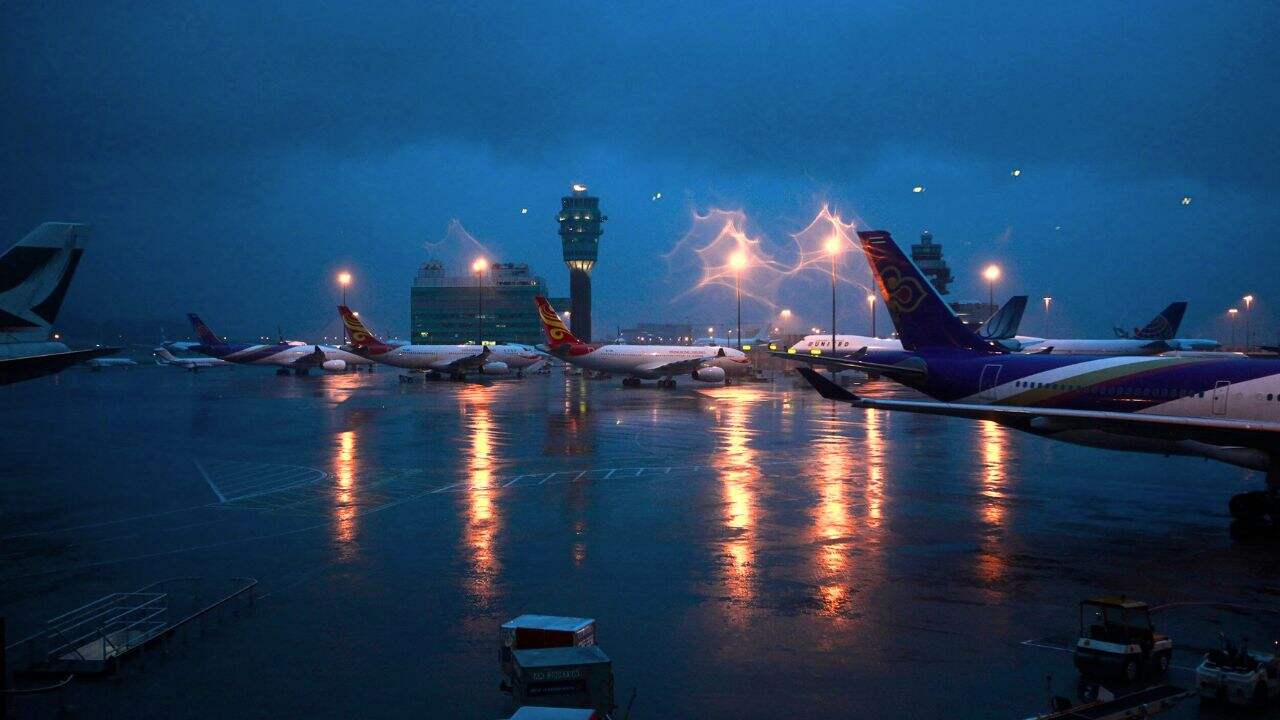
- Freezing rain is one of them.
- It is dangerous because planes cannot be de-iced in time before takeoff.
- Other such conditions are mentioned below:
- Severe thunderstorms
- Extremely low visibility
- Flooding on runways
- Air traffic congestion
- Rain combined with strong winds or fog
Do Flights Get Cancelled Due to Thunderstorms?
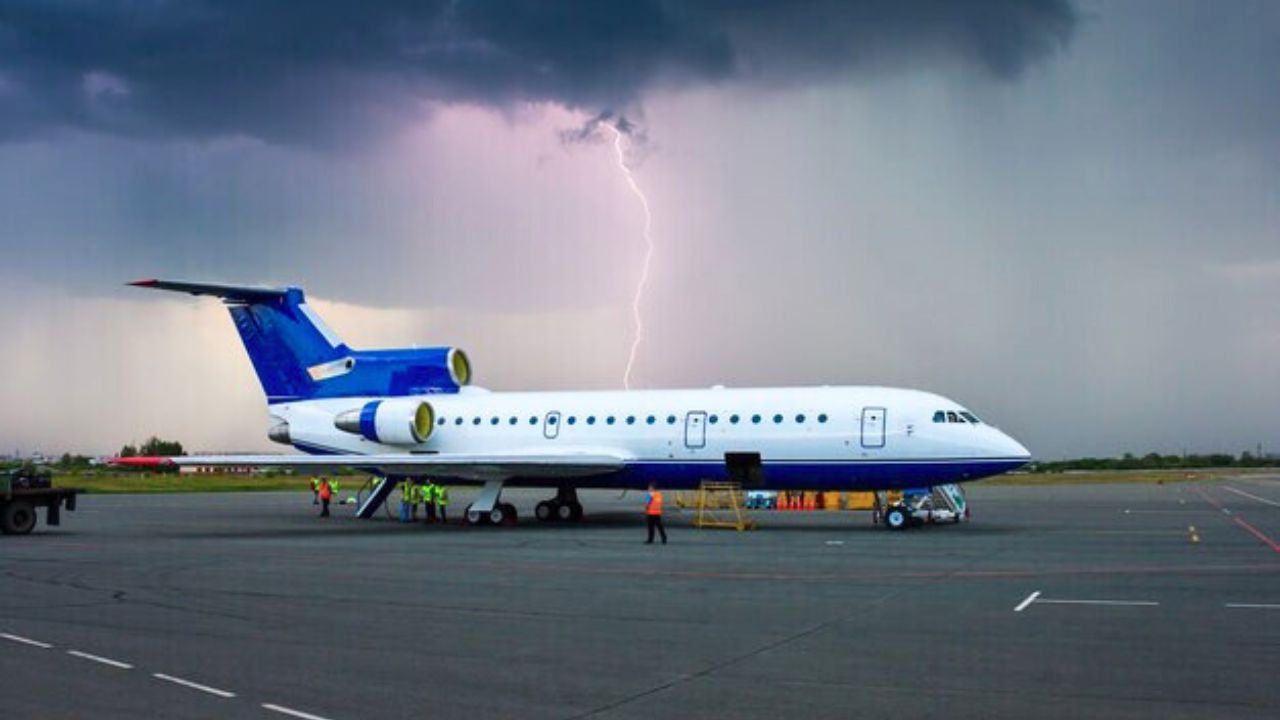
- Wind shear in a thunderstorm can create a sudden change in wind speed.
- These winds have an impact on safety while taking off or landing.
- Microbursts bring powerful and sudden downward winds.
- Lightning stops refueling and ground service due to safety issues.
- Hail can damage the exterior of a plane and its windows.
- Turbulence can cause injury to passengers who are not seated properly.
Is it Safe to Fly in the Rain?
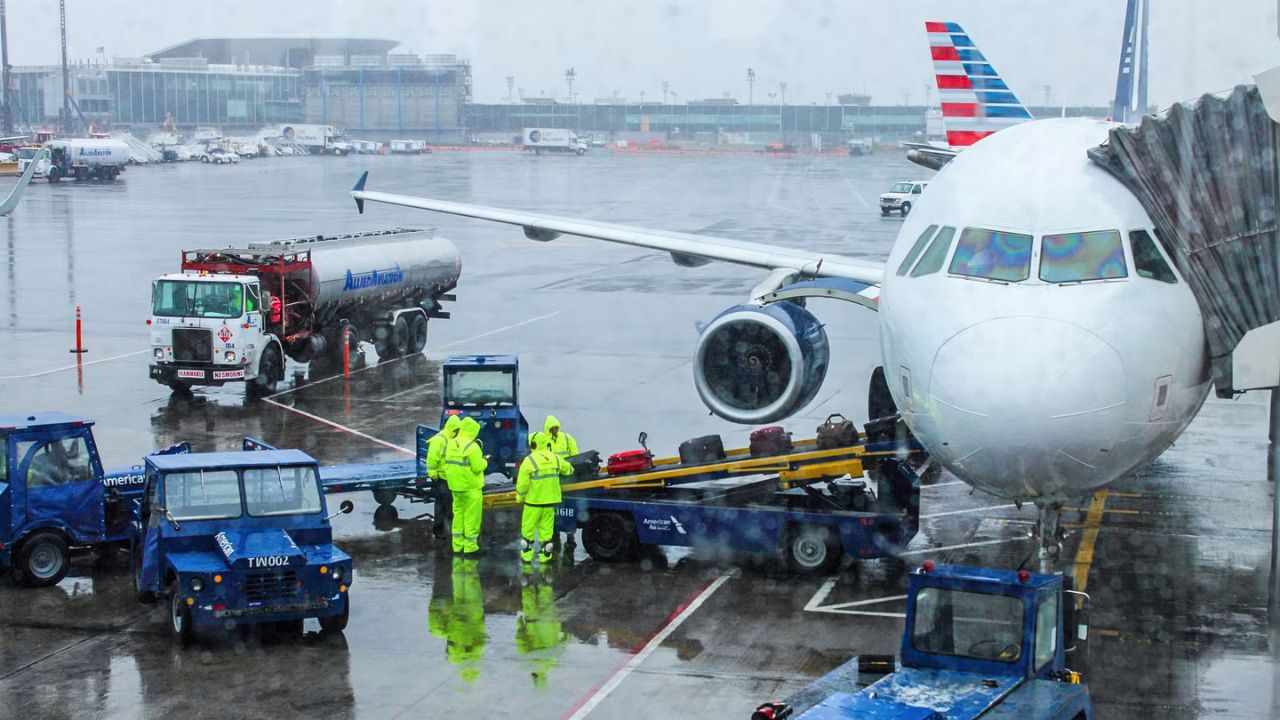
Moreover, airports follow strict safety procedures to keep flights safe when it rains heavily. These include the following:
- Low Visibility Procedures (LVPs) to reduce the number of planes moving at the same time.
- Regular runway inspections to check for standing water and/or surface issues.
- Increased spacing between aircraft to avoid congestion and delays.
- Advanced runway and approach lighting help pilots see clearly during their landings.
- Well-maintained drainage systems to remove standing water quickly.
- Clear and continuous communication with airlines about changing weather conditions.
Conclusion
Usually, planes take off and land safely in the rain because modern aircraft are designed to operate in wet weather conditions. While rain alone rarely causes cancellations, severe weather like thunderstorms can lead to delays. To stay stress-free, passengers should arrive early, monitor flight updates, and remain prepared for possible schedule changes during bad weather.
Share this article:


